
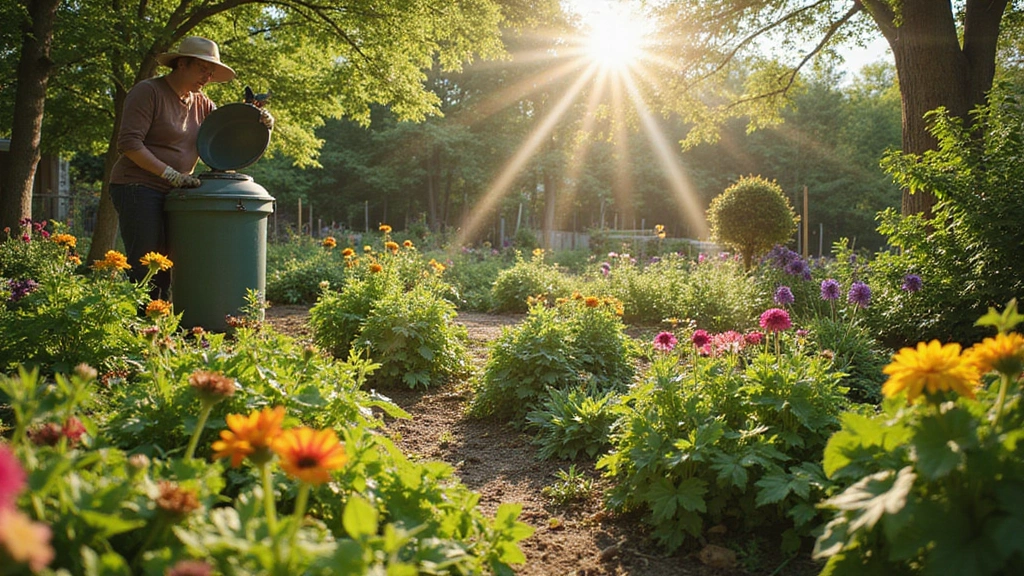
Sustainable gardening transforms not only your garden but also the environment, creating a harmonious relationship between nature and your backyard.
By adopting eco-friendly practices, you can cultivate a thriving oasis that supports biodiversity and minimizes waste.
This listicle presents ten innovative and practical sustainable gardening practices that will elevate your green space while being kind to our planet. Get ready to dig deep into the world of sustainable gardening and discover how to make a positive impact on the environment and your garden!
Contents
- 1. Composting: The Heart of Sustainable Gardening
- 2. Native Plants: The Eco-Friendly Choice
- 3. Rainwater Harvesting: Nature’s Gift
- 4. Organic Pest Control: Keeping It Natural
- 5. Mulching: A Gardener’s Best Friend
- 6. Crop Rotation: A Smart Strategy
- 7. Permaculture: Design for Sustainability
- 8. Vertical Gardening: Space-Saving Solutions
- 9. Sustainable Fertilizers: Feed Your Garden Naturally
- 10. Community Gardening: Grow Together
1. Composting: The Heart of Sustainable Gardening

Composting stands out as one of the most effective sustainable gardening practices you can embrace. By transforming kitchen scraps and yard waste into nutrient-rich compost, you not only enrich your soil but also contribute to reducing landfill waste.
To get started, investing in a quality compost bin is essential. This will provide a designated space for your composting efforts, ensuring efficient decomposition. A well-maintained compost pile can significantly enhance soil structure, improve moisture retention, and ultimately promote robust plant growth.
To monitor the temperature of your compost, consider using a compost thermometer. This tool will help you track the internal heat, ensuring that your composting process is on the right track. Additionally, a kitchen compost collector can make it easy to gather scraps from your kitchen, making the composting process more convenient and engaging, especially for children. This practice not only teaches them about recycling and sustainability but also fosters a love for gardening in a fun and interactive way.
Product Recommendations:
2. Native Plants: The Eco-Friendly Choice

Incorporating native plants into your garden is an exceptional way to enhance biodiversity while providing support for local wildlife. These plants are specifically adapted to your region’s climate and soil, meaning they typically require less water and maintenance than non-native varieties.
By choosing to plant native flora, you can attract essential pollinators such as bees, butterflies, and hummingbirds, fostering a vibrant ecosystem right in your backyard. To get started, consider purchasing native plant seeds that are well-suited for your area.
Additionally, a pollinator-friendly flower mix is an excellent choice to further enhance the diversity of your garden and provide food sources for these beneficial creatures. Native plants also tend to be more resilient against pests and diseases, which can significantly reduce the need for chemical treatments. For those looking to learn more about planting and maintaining native species, a garden planting guide can be an invaluable resource, helping you create a healthier, more sustainable environment in your garden.
Product Recommendations:
• pollinator-friendly flower mix
3. Rainwater Harvesting: Nature’s Gift

Rainwater harvesting is a clever and eco-friendly approach to utilizing nature’s resources while ensuring your garden remains vibrant and well-watered.
By installing a rain barrel system, you can efficiently capture and store rainwater for later use, providing a sustainable water source for your plants. Additionally, incorporating a rainwater diverter makes the collection process even easier, directing rainfall from your roof straight into your storage system.
This practice not only conserves precious water resources but also helps reduce your water bill and minimizes runoff that could carry pollutants into nearby waterways. Furthermore, utilizing a garden hose with a drip irrigation feature allows you to efficiently distribute the harvested rainwater directly to your plants, ensuring they thrive with minimal environmental impact. Embrace this sustainable solution and create a garden that flourishes while connecting you with the rhythms of nature.
Product Recommendations:
• Garden Hose with Drip Irrigation Feature
4. Organic Pest Control: Keeping It Natural

Opting for organic pest control methods is essential for fostering a sustainable garden.
Rather than relying on chemical pesticides that can harm beneficial insects and disrupt the ecosystem, consider natural alternatives such as neem oil and insecticidal soap.
Incorporating beneficial insect attractant plants into your garden can also play a significant role in pest management. These plants not only beautify your garden but also draw in natural predators like ladybugs and lacewings, which help keep pest populations under control without harming your plants.
Moreover, regular monitoring of your garden and maintaining healthy soil conditions can prevent pest issues from developing in the first place, ensuring a thriving and resilient garden ecosystem.
Product Recommendations:
• Neem oil
• beneficial insect attractant plants
5. Mulching: A Gardener’s Best Friend

Mulching stands out as an essential and effective sustainable gardening practice that offers numerous benefits for your plants.
By applying a layer of organic material, such as organic mulch like shredded bark, straw, or grass clippings around your plants, you can significantly suppress weeds, retain soil moisture, and enhance soil health as the mulch breaks down over time.
This simple yet impactful technique not only reduces the frequency of watering and weeding, making your gardening routine more efficient and enjoyable, but also improves the overall aesthetic appeal of your garden, providing a tidy and cohesive look.
To make the application of mulch even easier, consider using mulch spreading tools to ensure an even distribution. Additionally, for areas where you want to control weeds while still allowing moisture to reach the soil, incorporating landscape fabric can be a great solution.
Product Recommendations:
6. Crop Rotation: A Smart Strategy

Implementing crop rotation is a time-honored technique that boosts soil fertility and overall health while simultaneously curbing pest infestations. By changing the types of plants cultivated in a specific area each season, you can effectively minimize the risk of diseases and prevent nutrient depletion.
This method is especially advantageous in vegetable gardens, where different crops have unique nutrient requirements. To assist in planning your crop rotation effectively, consider using a garden planner that helps you map out your garden layout and track which crops to plant.
Additionally, incorporating legumes can significantly enhance soil nitrogen levels, leading to healthier plants. To keep track of your planting schedule and varieties, utilizing seed markers can be a simple yet effective solution. For comprehensive guidance on crop rotation, don’t forget to check out a crop rotation guide, which will make your gardening endeavors more sustainable in the long run.
Product Recommendations:
7. Permaculture: Design for Sustainability

Permaculture represents a comprehensive approach to gardening that focuses on collaborating with nature instead of opposing it. By designing your garden to reflect the patterns and relationships found in natural ecosystems, you can cultivate a self-sustaining environment rich in biodiversity.
This method requires thoughtful planning regarding plant placement and the practice of companion planting, which can be further explored in a companion planting guide. Additionally, integrating animals into your garden can enhance the ecosystem’s health and productivity.
For those looking to deepen their understanding of permaculture, investing in permaculture design books can be incredibly beneficial. Furthermore, using native plant seeds can significantly boost the vitality of your garden, leading to reduced waste, improved soil health, and increased yields while fostering a profound connection to the land and its resources.
Product Recommendations:
• organic pest control solutions
8. Vertical Gardening: Space-Saving Solutions

For those who find themselves with limited gardening space, vertical gardening presents a creative and sustainable solution to cultivate your favorite plants. This innovative approach involves utilizing trellises, wall-mounted plant pots, and other vertical structures to grow plants upward, effectively maximizing your gardening potential even in small areas.
By implementing vertical garden planters, you can not only save valuable ground space but also enhance the aesthetic appeal of your garden with stunning visual displays. These vertical gardens improve air circulation among your plants, promoting healthier growth.
This method is particularly advantageous for cultivating herbs, vegetables, and flowering plants, allowing you to enjoy a vibrant and lush garden, even amidst an urban environment. Explore options like vertical garden planters and wall-mounted plant pots to transform your gardening experience today!
Product Recommendations:
• Vertical Wall Planter Hanging Planters
• Freestanding Vertical Garden Planter Box
9. Sustainable Fertilizers: Feed Your Garden Naturally

Using sustainable fertilizers is essential for nurturing a thriving garden while being kind to the environment.
Rather than relying on synthetic options, consider switching to organic fertilizers such as organic fertilizers, which can enhance soil health and promote robust plant growth.
Additionally, incorporating compost tea bags into your gardening routine can provide a rich source of nutrients and beneficial microbes.
For an extra boost, try using fish emulsion fertilizer, which not only nourishes your plants but also supports overall soil vitality.
By choosing these sustainable fertilizers, you help cultivate a healthier garden while contributing to a more sustainable agricultural system, ensuring a vibrant environment for generations to come.
Product Recommendations:
10. Community Gardening: Grow Together

Community gardening is an impactful way to enhance sustainability while building connections with your neighbors and local ecosystems.
By joining or initiating a community garden, participants can share essential resources, knowledge, and the fruits of their labor, fostering a sense of belonging and collective purpose. To facilitate this, consider investing in garden tools for community use, which can help everyone get involved in the gardening process.
Additionally, setting up compost bins for shared use can promote sustainable waste management and enrich the soil, benefiting the entire garden.
Community gardens can also function as a center for workshops, events, and social gatherings, making them a crucial part of urban sustainability initiatives. To further empower participants, consider providing community gardening guides that educate individuals on sustainable practices and help them make the most of their gardening experience.
Product Recommendations:
Conclusion: Embrace Sustainable Gardening Today

By embracing these sustainable gardening practices, you not only transform your garden but also contribute to a healthier planet.
Each step you take towards sustainability fosters a deeper connection with nature and encourages others to follow suit.
Start small, choose a few practices, and watch your garden and community flourish!
Note: We aim to provide accurate product links, but some may occasionally expire or become unavailable. If this happens, please search directly on Amazon for the product or a suitable alternative.
This post contains Amazon affiliate links, meaning I may earn a small commission if you purchase through my links, at no extra cost to you.
Leave a Reply